Start With the 50% Rule
Compare the total repair quote with the cost of buying a similar replacement. A high repair cost may not provide good long-term value.
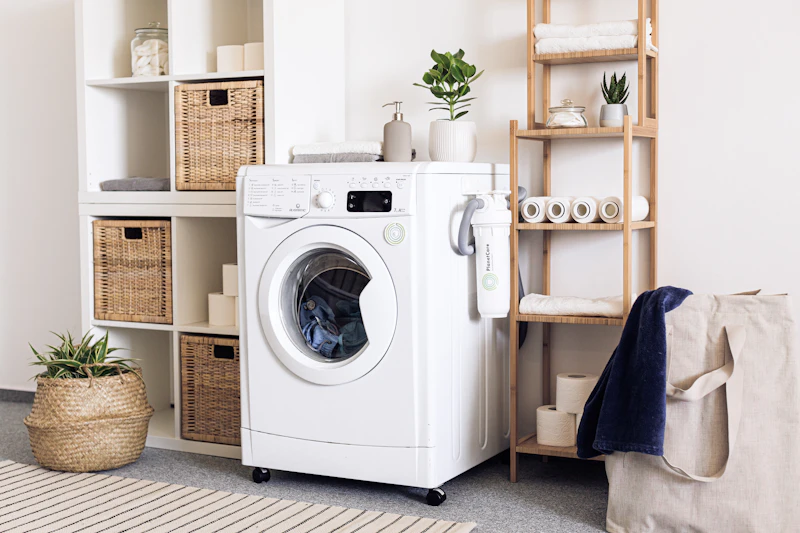
What to ask before handing over top-load or front-load spin motors, pumps, and motherboards.
How to verify genuine compressor gas refilling, starter relays, and avoid fake cooling coil scams.
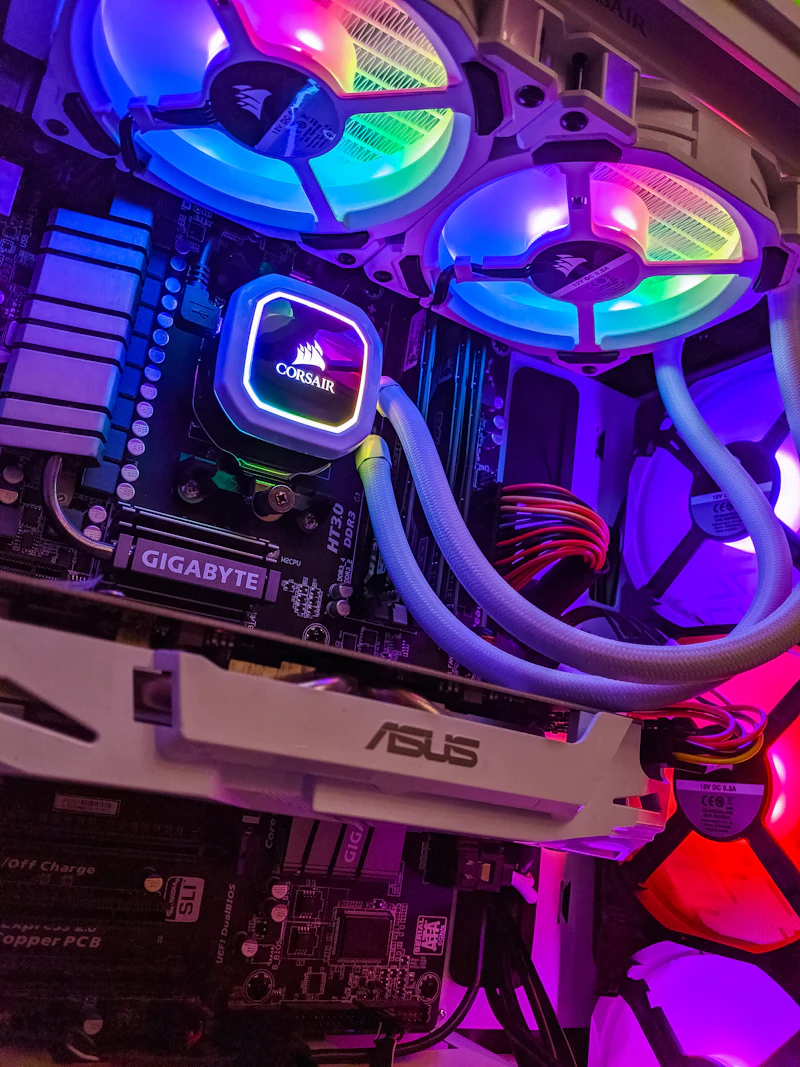
Protecting SSD data, RAM integrity, motherboard chip-level testing, and screen replacements.
Distinguishing backlight strip failure from dead panel boards before accepting expensive panel quotes.
Essential guidelines to verify local mechanics, confirm genuine parts, and protect your home equipment before agreeing to any service.
Always confirm before booking: If you agree to proceed with the repair work, ensure the diagnosis or visiting charge gets adjusted directly into the final bill.
Insist on seeing brand-sealed packaging for replaced components (pumps, capacitors, PCB modules, backlight strips).
Never settle for verbal promises like "it won't break again". Insist on a written guarantee covering both parts and labor.
Insist on a split quote separating the physical hardware component price from the technician's manual service fee.
Explore our step-by-step device guides for Washing Machines, Refrigerators, PCs & Laptops, and Smart TVs before calling any local service center.
Independent verification playbooks covering full-spectrum electronics and household tech. Learn how to screen independent mechanics before inviting them home.
Avoid whole-board replacements when micro-components can be fixed at a fraction of the cost.
"What is your testing charge if the board isn't repairable, and does it get adjusted in the repair bill?"
Diagnose drain blockages, spin drum noise, and water inlet solenoid valve errors at home.
"Do you supply sealed brand parts (Samsung, LG, IFB) with printed packaging and a written guarantee?"
Verify starter relays, defrost bi-metal sensors, and prevent fraudulent compressor condemnations.
"Does your gas refilling quote include nitrogen pressure leak-testing and a 60-day cooling guarantee?"
Distinguish backlight diode failure from broken LCD panels before accepting high panel replacement estimates.
"Do you replace the complete new matched set of LED backlights or do you just patch individual diodes?"
Mesh WiFi routing, security camera DVR/NVR setup, smart doorbells, and home IoT hub configuration.
"Will you guide me on changing admin passwords once the initial network config is complete?"
PlayStation/Xbox overheating, liquid metal oxidation, HDMI socket pins, and AV receiver capacitor banks.
"Do you use optical microscope soldering and test 120Hz video output before delivery?"
Our platform is 100% independent and not affiliated with any single corporate warranty provider. We help you safely verify, hire, and screen trustworthy independent local technicians in your neighborhood.
Use a few simple checks before spending money on a repair. Compare the repair quote, product age, and expected value before making your decision.
Compare the total repair quote with the cost of buying a similar replacement. A high repair cost may not provide good long-term value.
Older products can become more expensive to maintain. Compare the current age with the typical usable lifespan before approving a major repair.
Before repairing an older appliance, compare its energy usage and ongoing maintenance costs with a newer model.
Older appliances may require more electricity for the same daily usage.
A replacement may include fresh warranty coverage that an older product no longer has.
Is the repair reasonably priced? Is the product still within its normal lifespan? Has it been reliable?
Before allowing a technician to replace parts or begin major work, verify the diagnosis, replacement part, expected labor and written warranty.
Ask what failed, why it failed, which part will be used and what warranty applies before giving approval.
Ask the technician to explain what was tested and which component is actually causing the issue.
When a component needs replacement, confirm what type of part is being supplied and whether its identification can be verified.
Check sealed packaging
Match model / part number
Ask to see removed part
Major repairs may involve more than simply changing a part. Ask what testing, adjustment or additional work will be included.
Keep a written record showing the repaired item, replaced components, total amount paid and any warranty provided for parts or labor.
Do not rely only on a verbal promise. Warranty terms should clearly state what is covered and for how long.
Use these as questions to discuss with the technician, not as a substitute for a proper diagnosis.
Belt, drain pump, motor or water inlet diagnosis
Part number, labor charge and written warranty
Relay, sensor, cooling system or compressor diagnosis
Test findings and exact replacement component
Power, memory, storage or board-level diagnosis
Exact work performed and replaced components
Backlight, power board or display diagnosis
Replacement type, labor and repair warranty
Before payment: review the final invoice, replaced parts and warranty terms.
Protect your wallet and confirm genuine service quality before releasing funds to independent local technicians.
If a technician quotes an unexpectedly large sum for a compressor or motherboard replacement, pause immediately. Make a 2-minute phone call to another neighborhood workshop to cross-verify the realistic market replacement cost.
Never permit a visiting mechanic to walk away with your defective motor, PCB, or compressor. Insist on keeping the old part and inspecting the manufacturer seal and holograms on the new part's packaging.
Run a complete washing machine rinse/spin cycle, let the refrigerator compressor pull down cold air for 20 minutes, or boot your laptop under heavy load while the technician remains physically present.
Essential practical answers to protect yourself from unnecessary part replacements and overcharging.
If the repair quote exceeds 50% of the price of a modern new model, replacing it is almost always more economical. Older machines consume 30%–45% more power and develop recurring secondary failures within months.
This is why a written guarantee bill with an itemized part breakdown is non-negotiable. Reputable independent mechanics provide a mandatory 30 to 90-day free revisit warranty covering the replaced component.
Micro-soldering, thermal profiling, and IC replacements require heavy bench equipment. If taking the board is required, always snap high-res photos of the PCB serial numbers and barcode stickers before handing it over.
Demand that the spare part box is unsealed directly in front of you. Authentic OEM parts come in factory-sealed branded boxes with printed part numbers, holograms, and intact security tape.
Yes. A standard visiting fee compensates the mechanic for travel and time. However, confirm over the phone beforehand that this visiting fee is 100% waived/adjusted into the final invoice if the repair proceeds.
Never approve unverified sudden escalations. You always have the right to decline, pay only the agreed visiting fee, request the unit to be reassembled, and seek a second opinion from another local workshop.
Prioritize established neighborhood workshops with physical signboards over random unverified toll-free listings. Physical businesses have local accountability and community reputation to maintain.
Washing machine drain pump cleanouts, belt swaps, water inlet valves, refrigerator starter relays, and TV power cord/backlight testing should always be completed at your residence without taking the unit away.